
Climate Change: Understanding the Science and How to Take Action
From the greenhouse effect to everyday action — a clear guide to understanding and fighting climate change

Trulof
Sustainable Living
Finding a balanced life through sustainable living. I believe we can all make a difference—one small choice at a time. Think globally, act locally. 🌱
What you’ll learn
- The difference between weather and climate, and why 1.5°C matters
- What the greenhouse effect is and how human activity amplifies it
- Why the Earth is warming faster than at any point in human history
- Practical steps you can take today to reduce your carbon footprint
- How individual actions collectively make a powerful impact
Climate change is an increasingly urgent global issue that needs to be addressed. There are studies showing that it is caused by a variety of human activities which cause the Earth’s temperature to rise. Rising temperatures can lead to extreme weather events such as floods, droughts and heat waves, that will affect our crops and our lives.
On a positive note, everyone has an opportunity to take action against climate change. There are many ways individuals can contribute towards fighting climate change, do you want to know how? I will explain everything to you in this post, so keep reading and remember: Every small step counts when it comes to making a difference in combating climate change!
But before that, let’s understand what is Climate Change, the difference between weather and climate, and what are the greenhouses and their effects.
What Is The Difference Between Climate And Weather?
The term “weather” refers to the outdoor conditions at a certain time and location. For instance, if you see that it’s raining outside right now, that’s a way to describe the weather. Weather occurrences include, sunny, rainy, snowy, windy, hurricanes, and tornadoes.
Climate refers to the average weather for a particular region and time period. Tropical, Dry, Temperate, Continental and Polar are the 5 main climate types on Earth. The climate is more stable than the weather, which varies every day.
So when people ask ”Why is 1.5 degrees such a big deal? If temperatures increase 1.5 it will be a bit warmer, that’s it.” Or “Why do we want to limit warming to 1.5 degrees? If we have always had this x temperature ” In both cases, you can explain that they are talking about the weather, not the climate, and this 1.5 degrees represents a global average of warming and it will dramatically increase the risk of extreme weather events: sea level rise, and changes in flood and drought patterns. All of this is currently impacting our crops, forests and our water supply; the drier the soil, the more water would be needed for agriculture, less land for crops as soil will lose properties and drier soil means more likely wild forest fires .
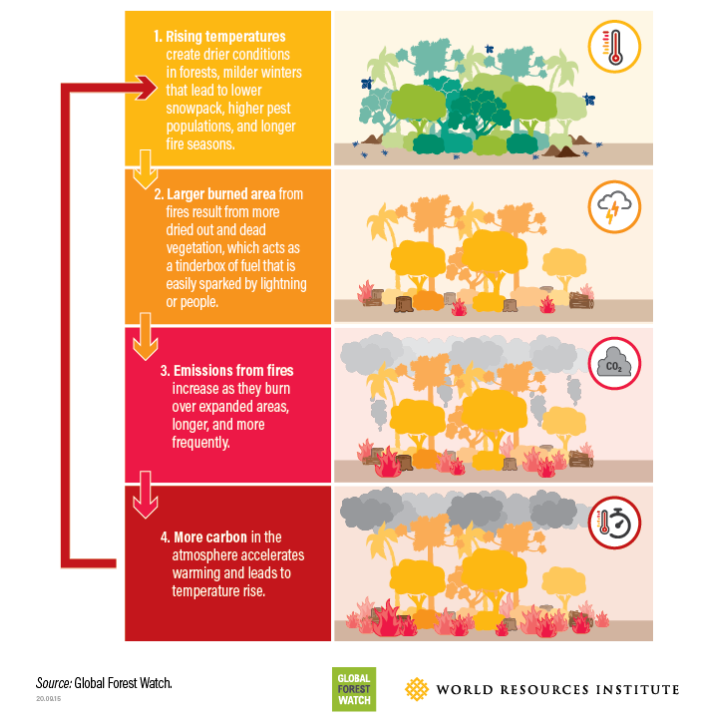
There are studies showing that the Earth’s climate has been changing continuously ever since people first appeared on the scene. These changes were caused by natural processes, such as variations in the solar cycle or volcano activity. So you may be wondering, if studies show that solar variability has played a role in past climate changes, how can we know whether current global warming can be explained by solar irradiance as well?
It is a fact that the Earth frequently warmed up during periods of high solar and volcanic activity, but today, scientists are able to precisely gauge the Sun’s activity and even when the Sun or Volcanos aren’t really active, we can still see the Earth warming up. For instance, over the past 150 years, the Earth average temperature has been rising far more swiftly than scientists would have anticipated. The world is warming up considerably more quickly than it ever has in human history.
For further information about these questions, have a look at the following articles: How Human Activities Are Driving Global Warming and How Do We Know Climate Change Is Real?
What Causes Climate Change?
We have been seeing that climate change represents the long-term average of temperature, precipitation, and other weather variables at a given location.
The climate is affected by greenhouse gases in the atmosphere. The greenhouse gases are the ones that absorb and emit radiant energy (heat) from the sun in the atmosphere. The primary greenhouse gases in Earth’s atmosphere are water vapour, carbon dioxide, methane, nitrous oxide, and ozone.
A variety of human activities, such as burning fossil fuels and deforestation, increase the amount of greenhouse gases in the atmosphere. In consequence, the greenhouse effect increases and causes global warming.
So What Is The Greenhouse Effect?
Imagine a glass-enclosed greenhouse where flowers and vegetables are grown. The greenhouse captures heat from the sun to keep the plants warm even when it is freezing outside. When sunlight passes through the atmosphere, part of it is absorbed by the Earth’s surface and heats it up. Apart from that, some of the heat is also trapped in our atmosphere by certain gases. These heat-trapping substances, often known as greenhouse gases, function as a blanket to keep the earth warm, this is a natural phenomenon that makes the planet comfortable to live on is the greenhouse effect.
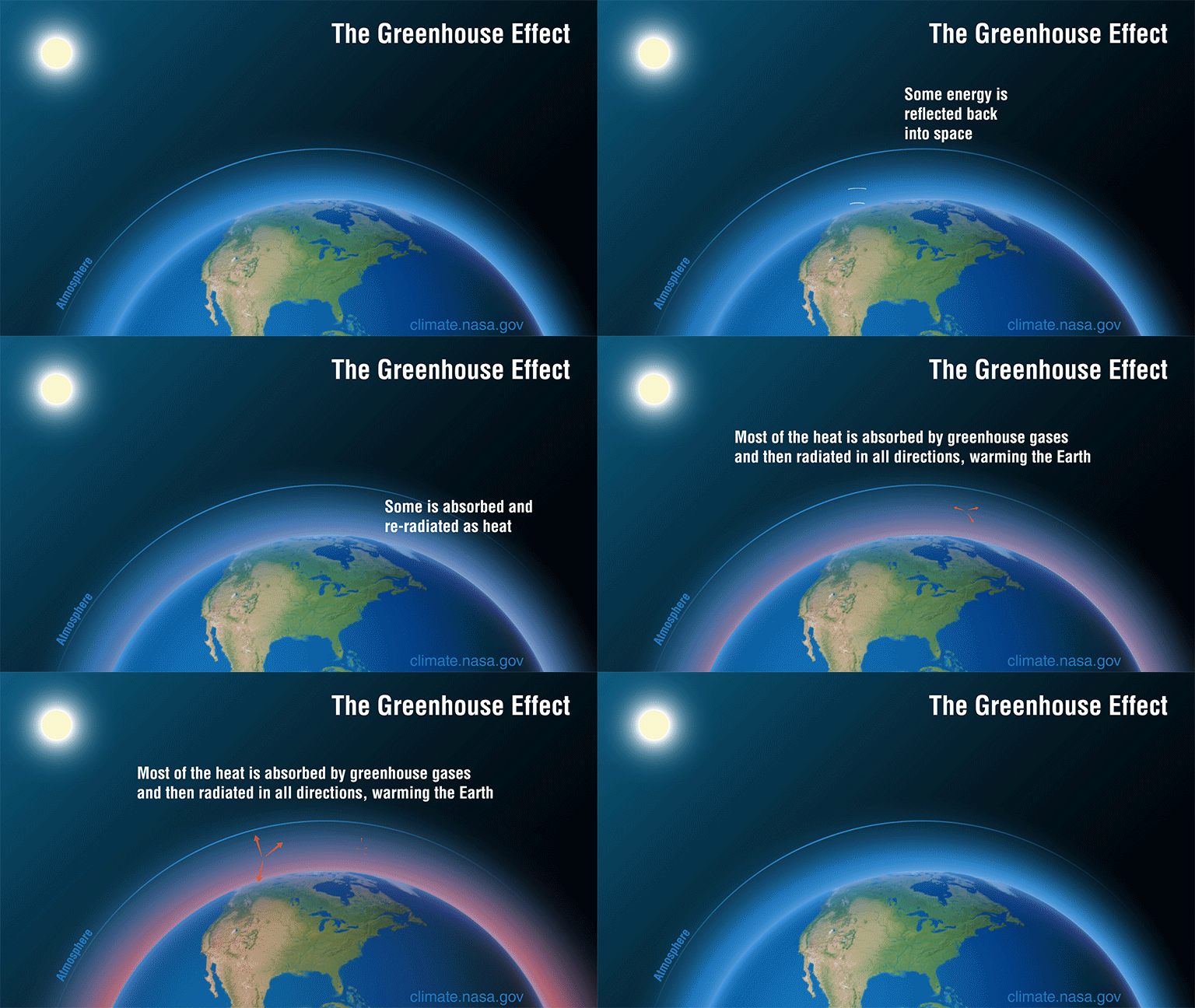
Credit NASA-JPL/Caltech
I invite you to have a look at this video from Nasa Space Place. Really clear and well explained, I love it!
Our activity increases the amount of carbon dioxide and some other greenhouse gases in our atmosphere. Therefore, greenhouse gases are becoming more abundant in our atmosphere. You need to remember that these gases in the Earth’s atmosphere trap the sun’s heat and stop it from leaking back into space, so all these extra greenhouse gases that we are generating are provoking the Earth’s atmosphere to trap more and more heat and as a result the Earth is warming up.
Some Greenhouses like the Carbon dioxide can be absorbed by plants, soil, and the ocean, but they are unable to keep up with the additional greenhouse gases that humans have been generating. Additionally, certain greenhouse gases linger in the atmosphere for a very long time—up to thousands of years.
To prevent climate change, we must cease creating all of these gases since they are raising temperatures beyond what is normal.
Can I Do Anything To Stop Climate Change?
At an individual level, having a greater understanding of how our daily actions impact the environment is key for making strides against climate change. Here are some simple tips that you can follow:
- Reduce waste & Replacing Single-Use Plastics With Reusable Items. By replacing these items with reusable alternatives, such as reusable bags, bottles, and containers or buying products with less packaging, and recycling it, we can reduce the amount of plastic waste we produce.
- Reduce meat consumption. Livestock production is responsible for 14% of greenhouse gas emissions, primarily through the release of methane gas during the digestive process of cows and other ruminant animals. Apart, 75% agricultural land is for feeding crops, this is contributing to deforestation as the land for agriculture needs to expand.
- Bike Walk or Use Public transport when possible or Carpooling With Friends or Colleagues Instead Of Taking Individual Cars. By choosing any of those options instead of driving alone, we can help to reduce the number of cars on the road which in turn reduces greenhouse gas emissions and it will help to save money on gas as well.
- Using Natural Lighting Whenever Possible, Investing In Renewable Energy Sources Like Solar Panels Or Wind Turbines. Fossil fuels are used to generate electricity, and the burning of these fuels contributes to greenhouse gas emissions. Supporting renewable energy will reduce our reliance on fossil fuels, help to mitigate the impacts of climate change and also it will help us to save some costs.
- Eating Locally Sourced Food Instead Of Imported Products. Transporting food over long distances requires the burning of fossil fuels, which contributes to greenhouse gas emissions. By choosing to eat locally sourced food, we can reduce the amount of fossil fuels used to transport our food and, therefore, reduce our carbon footprint.
- Advocate for change. You can advocate for change by speaking out to your elected officials, supporting climate-friendly policies, and educating others about the importance of taking action on climate change.
By being conscious and reducing one’s own carbon footprint has meaningful impacts on reducing greenhouse gas emissions and helps to preserve our planet!
Every step counts when it comes to winning the fight against climate change – so why not start today?
Frequently Asked Questions
What is the difference between weather and climate?
Weather refers to short-term atmospheric conditions at a specific time and place (rain, sun, wind). Climate is the long-term average of weather patterns over a region. When scientists talk about 1.5°C of global warming, they mean a rise in the global average climate — not just a warmer day.
Are greenhouse gases entirely man-made?
No. Greenhouse gases like water vapour, carbon dioxide, and methane occur naturally and are essential for life on Earth. The problem is that human activities — burning fossil fuels, deforestation, and agriculture — are dramatically increasing their concentration, intensifying the greenhouse effect beyond natural levels.
Can one person really make a difference?
Yes! While systemic change is crucial, individual actions collectively create enormous impact. When millions of people reduce meat consumption, use public transport, or switch to renewable energy, the cumulative effect is massive. Start with one habit, then build from there.
Enjoyed this article?
Subscribe to receive more insights like this directly in your inbox.